
Acne
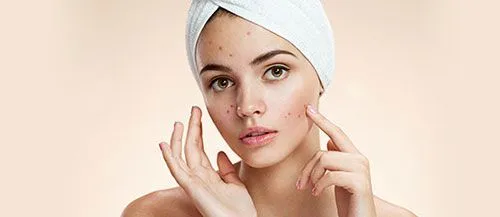
Acne is the term for the blocked pores (blackheads and whiteheads), pimples, and deeper lumps (cysts or nodules) that can appear typically on the face, neck, chest, back, shoulders and upper arms. Seventeen million Americans currently have acne, making it the most common skin disease in the country. While it affects mostly teenagers, and almost all teenagers have some form of acne, adults of any age can have it. Acne is not life-threatening, but it can cause physical disfigurement (scarring) and emotional distress.
Treatment for acne varies depending on the type and severity of lesions, as well as the patient’s skin type, age and lifestyle. Options include:
- Topical Medications
- Antibiotics
- Isotretinoin (previously known as Accutane)
- Blackhead Extraction
- Microdermabrasion
- Photodynamic Therapy
- Skin Care Products
- Blue Light Treatments
- Laser Treatments
Acne scarring can be treated in a variety of ways as well. These include:
- Chemical Peels
- Dermabrasion/Microdermabrasion
- Soft Tissue Fillers
- Laser/Pulsed Light Treatments
We also use blue and red light for treatments in addition to the other acne treatment options.
Cysts
A cyst is a fluid-filled lump that forms in the deeper layers of skin when a hair follicle becomes blocked. They can be uncomfortable and unsightly but are harmless (benign). Nevertheless, any suspicious growth on the skin should be examined by a dermatologist to determine whether it is cancerous. If infected, a cyst may require treatment with antibiotics. Patients with large or painful cysts may choose to undergo minor surgery. Cysts can occur anywhere on the body but commonly appear on the face and scalp, trunk and fingernails. They include acne whiteheads and comedones, milia, and dermoid, epidermal, trichilemmal and pilar cysts.
Eczema
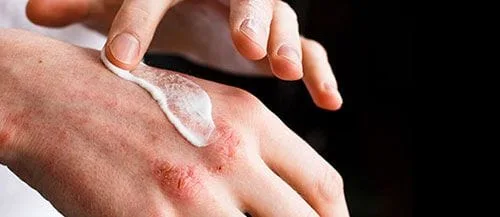
Eczema is a group of inflamed skin conditions that result in chronic itchy rashes. In children and in a few adults, it can be referred to as atopic dermatitis. About 15 million people in the U.S. suffer from some form of eczema, including 10-20 percent of all infants. Symptoms vary from person to person but often include dry, red, itchy patches on the skin which break out in rashes when scratched.
Objects and conditions that trigger itchy eczema outbreaks may include rough or coarse materials touching the skin, excessive heat or sweating, soaps, detergents, disinfectants, fruit and meat juices, dust mites, animal saliva and danders, upper respiratory infections and stress.
Treatment involves the restriction of scratching, use of moisturizing lotions or creams, cold compresses and nonprescription anti-inflammatory corticosteroid creams and ointments. If this proves insufficient, physicians may prescribe corticosteroid medication, antibiotics to combat infection, or sedative antihistamines. Phototherapy is a common procedure that uses light to reduce rashes. For severe cases, immunosuppressive drugs may be recommended.
Hair Loss (Alopecia)
Alopecia, or hair loss, is a common condition caused by a number of reasons. Hair loss can be natural, a side effect of medication or signs of another health condition. It can result in total baldness, patchy bald spots or thinning of the hair, and may be confined to the scalp or affect other areas of the body. Some of the causes of alopecia include:
- Male pattern baldness
- Fungal infection of the scalp
- Trichotillomania (mental disorder that causes a person to pull out his or her own hair)
- Thyroid disorders
- Chemotherapy
Treatment for hair loss is usually based on the cause but can include completion of chemotherapy, treating infections, drug therapy like Rogaine and Proscar, or hair transplant plugs.
Itching
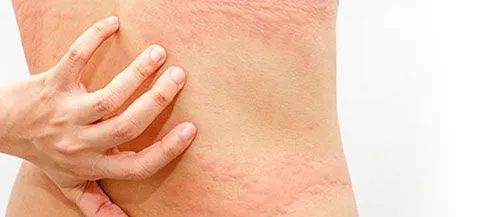
Itching is a skin sensation that can occur anywhere on the body as a result of many different causes. Itching causes a tingling feeling that triggers a need for the skin to be scratched. Some causes of itching include:
- Insect bits
- Sunburn
- Hives
- Dry skin
- Contact dermatitis
- Rashes
- Allergic reactions
Itching can be controlled by avoiding scratching, wearing loose clothing and applying moisturizing lotion. Most itching does not require medical treatment and disappears on its own.
Melasma

Melasma is a common skin condition where patches of skin on the face turn brown. The most commonly affected areas are the cheeks, bridge of the nose, forehead and upper lip. Melasma mostly affects women. Causes include exposure to ultraviolet light and hormonal changes resulting from pregnancy or birth control.
Treatments for melasma include:
- UVA/UVB Sunscreen of SPF 30 or higher
- Sunblock Lotions
- Avoidance of Any Irritating Cleansers, Creams or Makeup Products
- Discontinuation of Birth Control
- Bleaching Creams including Hydroquinone
- Glycolic Acid Peels
Treatment by a dermatologist often improves the appearance of melasma and prevents future recurrence.
Molluscum
Molluscum contagiosum is a chronic skin infection caused by a virus. It’s quite common among children, and is usually spread by touching an affected area on a person infected with the virus. The virus can also be transmitted through sexual contact. Molluscum causes painless, raised papules or nodules on the skin that look like pink pearls. They appear most often on the face, neck, arms, hands and chest, although they may appear nearly anywhere on the body, including the groin. The growths are often indented in the center and have a firm, waxy core. Scratching can spread the infection, leading to lines or clusters of lesions on the skin.
Patients with healthy immune systems generally find that molluscum contagiosum clears on its own within six to 18 months. Patients should try not to scratch the papules, or else they risk scarring and bacterial infection. If necessary, a dermatologist can remove individual lesions.